
Sinusitis
How do we diagnose sinusitis?
What are the symptoms of sinusitis?
Conditions affecting the sinuses can cause many nasal symptoms including:
a blocked nose
nasal congestion
post nasal drip
coloured nasal discharge
change in your sense of smell.
Additionally, symptoms such as facial pain can be interpreted as a sinus headache. However, without the presence of other nasal symptoms, such headaches are unlikely to be due to a problem with the sinuses.
Finally, sinusitis can result in a number of non-specific symptoms that may be dismissed. These include tiredness, feeling foggy, being unable to concentrate and embarrassment.

Sinusitis refers to inflammation involving the nasal sinus. It can be an acute or chronic process and is usually caused by an infection due to viruses or bacteria but can also arise from changes in pressure such as during air travel.
Many sinus problems are managed by medical measures such as nasal sprays, nasal saline rinse or antibiotics and surgery is performed mostly for those in whom conservative measures have not been effective.
Prior to your consultation, you will be sent questionnaires enquiring about your sinus symptoms and then further questions will be asked about your issues and past medical history. These will often provide enough information to arrive at a diagnosis. However, you will have an examination of your nose with a special camera that lets us see inside the nasal cavity and potentially also have a special X-ray called a CT scan if you have not already had one undertaken.
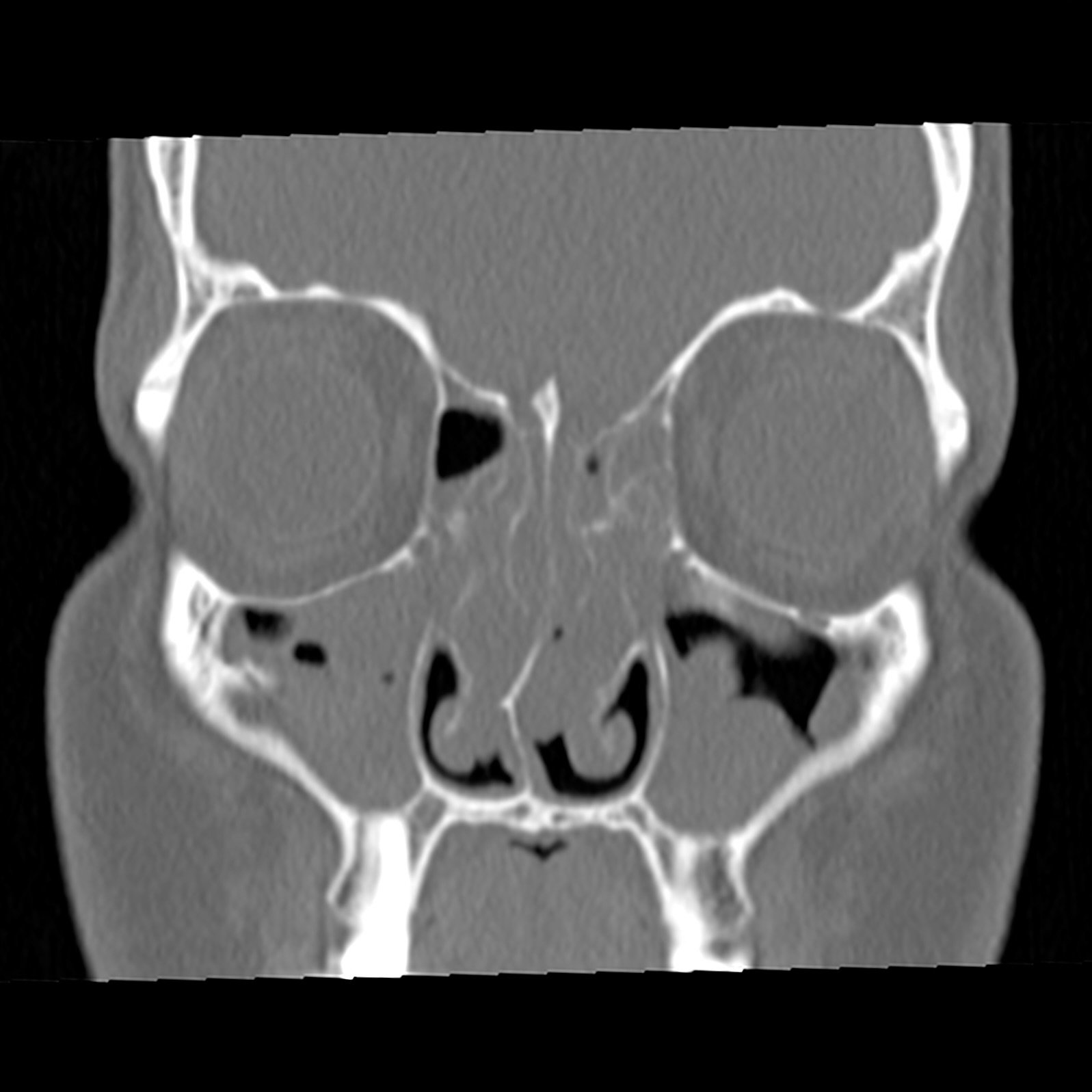
The pictures below show how the sinuses appear when they are clear on an X-ray and how they relate to the face.
However, when there is inflammation, the areas shown above in black, are grey as seen in the next X-ray


How do we treat sinusitis?
The initial treatment options are generally medical. These can be simple salt water (saline) rinses, nasal decongestants or steroids in various strengths and preparations. However, medical treatments are having significant advancements with new targeted medicines termed biologics providing extremely promising potential outcomes.
Surgery involves removing blockages and opening up the sinus drainage pathways. These operations (endoscopic sinus surgery) are performed through the nostrils therefore not needing any external incisions using very specialised instruments and technology that matches the position of instruments to the persons anatomy. This is analogous to “satnav” that helps determine your position on a map. Some patients, especially those affected by pressure headaches when flying or diving can benefit from a technique termed balloon sinuplasty. This is less invasive and is often associated with a better post-operative recovery period.
The next picture show how inflammation can block the sinuses and how surgery opens the small partitions to make wide sinus drainage pathways to enable medical treatment to enter.

In some individuals, the nose can get blocked by swellings in the nose called nasal polyps. These can occur mostly commonly in the setting of chronic sinusitis and arise because of inflammation happening in the lining of the nose but may be associated with other causes and rarely can be owing to malignant reasons. They appear like slightly, translucent grapes inside the nose (illustrated diagrammatically in the picture below) and they can be single or multiple causing symptoms of chronic sinusitis including nasal blockage, congestion, a runny nose and smell loss.
Nasal polyps, especially when small are managed conservatively with medicines including nasal steroid sprays, drops or tablets with symptoms also helped by rinsing the nose with salt water - nasal douching. If this does not control symptoms, surgery can be considered. However, there is now also a new class of medicines termed biologics that have been found to be effective in a subgroup of individuals with polyps.
What are nasal polyps?

FAQs
-
The bon
The sinuses are air-filled cavities located within the bones of the skull. They are situated around the nasal cavity and are categorized into four main groups:
Frontal Sinuses: Located in the forehead region, just above the eyebrows.
Maxillary Sinuses: Found in the cheekbones, these are the largest sinuses.
Ethmoid Sinuses: Located between the eyes, these consist of a number of small air cells.
Sphenoid Sinuses: Positioned deeper in the skull, behind the eyes and the nasal cavity.
These sinuses play a role in reducing the weight of the skull, producing mucus, and helping to filter and humidify the air we breathe.
-
A sinus rinse is a method used to clear nasal passages and alleviate symptoms associated with sinus congestion or irritation. It typically involves using a saline solution, which can be either pre-mixed or homemade, to flush out mucus, allergens, and other debris from the nasal cavity.
The process usually involves the following steps:
Preparation of Saline Solution: A saline solution is prepared using sterile water and non-iodised salt. Sometimes, a small amount of baking soda is added to buffer the solution.
Delivery Method: The solution can be delivered into the nasal passages using various devices, such as a neti pot, squeeze bottle, or bulb syringe. Each device helps to create a gentle flow of the solution.
Rinsing Technique: The user tilts their head to the side over a sink, inserts the spout of the device into the upper nostril, and allows the saline to flow through the nasal cavity and exit through the lower nostril. This process can be repeated on the other side. It is important to breathe through the mouth during the rinse to avoid inhaling the solution.
Benefits: The saline solution helps to moisten dry nasal passages, break up thick mucus, and flush out irritants like dust or pollen. This can lead to improved sinus drainage, reduced inflammation, and relief from symptoms associated with sinusitis, allergies, or colds.
Sinus rinses are generally considered safe when performed correctly, but it's advisable to use sterile or distilled water to prevent any potential infections. Regular use may help maintain nasal health and ease discomfort during respiratory illnesses or allergy seasons.
-
Sinusitis occurs when the tissue lining the sinuses becomes inflamed, leading to blockage and fluid accumulation. This inflammation can be triggered by several factors, including:
Infections: Viral infections, such as the common cold, are the most common cause of sinusitis. Bacterial and fungal infections can also lead to inflammation and congestion.
Allergies: Allergic reactions to substances like pollen, dust, and pet dander can cause sinus linings to swell, increasing the risk of sinusitis.
Structural Issues: Anatomical abnormalities, such as deviated septum or nasal polyps, can impede normal sinus drainage, making individuals more susceptible to sinus infections.
Environmental Factors: Exposure to irritants like smoke, pollution, or strong odours can irritate the sinus linings, contributing to inflammation.
Immune System Dysfunction: A weakened immune system, whether from underlying health conditions or medications, can reduce the body’s ability to fight off infections, increasing the risk of sinusitis.
Sinusitis can be acute, lasting for a short duration, or chronic, persisting for weeks or even months. Understanding these underlying causes can aid in effective management and prevention strategies.
-
Sinus infections, or sinusitis, themselves are not contagious. However, the underlying viral infections that often lead to sinusitis, such as the common cold, can be contagious. When a person with a viral infection coughs or sneezes, they can spread the virus to others, which may then lead to symptoms of sinusitis in those individuals.
Bacterial sinus infections can occur following a viral infection but are not spread from person to person. It is important to maintain good hygiene practices, such as regular hand washing and avoiding close contact with those who are ill, to help prevent the transmission of the viruses that can cause sinus infections.